Not to be confused with the western part of Texas, the TOWN of West, Texas (see the comma?) is located at Exit 353, about an hour south of Dallas on I-35.
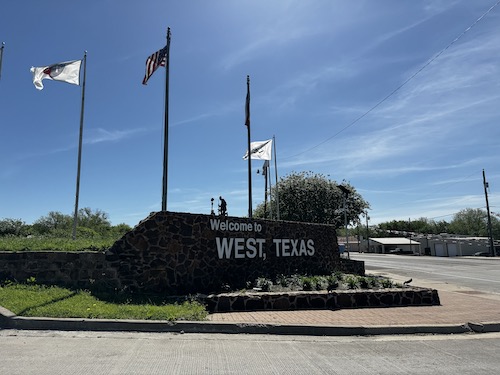
Residents enjoy the fun of their name confusion as well, advertising various community events with names such as, “Comma Christmas Stroll” or “Cocoa in the Comma.”
While we typically advise staying off major freeways in order to find the best, unique, quirky, and fun things to do, this one is a quick easy stop if you must travel on I-35. You’ll likely end up stopping there anyway to fill up on gas and/or get a quick snack or meal.
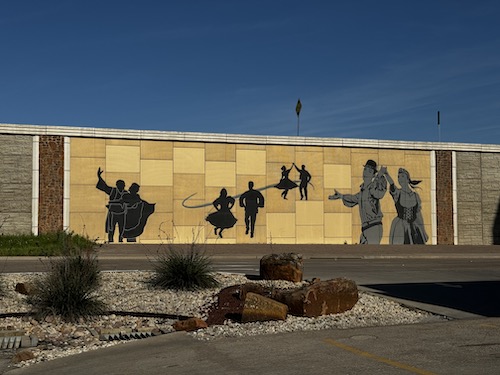
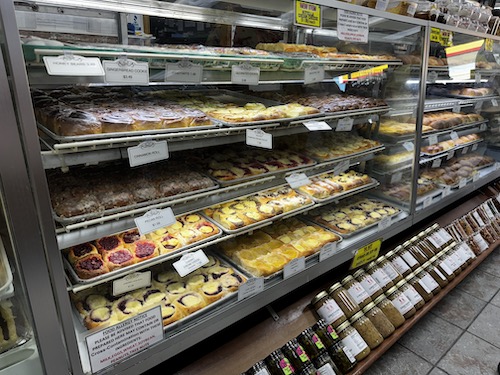
West is known for its Czech history and influence, so kolaches and klobasnikies are on the menu in several establishments. If you don’t know what they are, kolaches are fruit filled fluffy pastries and klobasnikies are pastries filled with meats. However, many, many people call them all kolaches.
So where can you find kolaches and klobasnikies in West? Well, like a Starbucks in the Pacific Northwest, they’re on just about every corner:
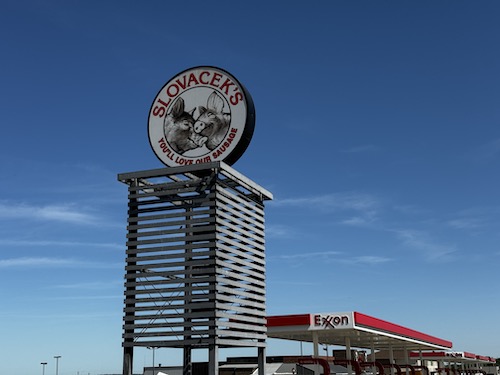
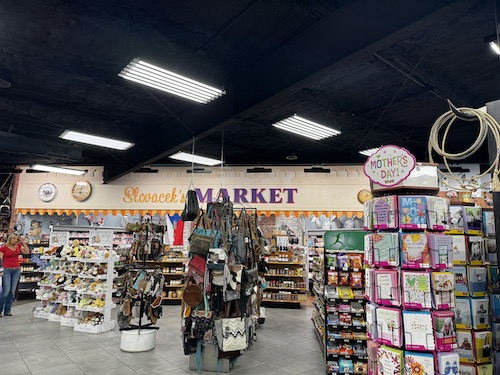
Located on the west side of the highway, Slovaceks (214 Melodie Dr.) is somewhat like a small Buc-ees. The gifts and souvenirs are almost overwhelming and you’ll probably find something you never even knew you needed. But that’s not all. Of course, there are kolaches, but also treats, desserts, BBQ, meats, cheeses, beer, and wine. Outside the building is a garden center alongside an adorable dog park.

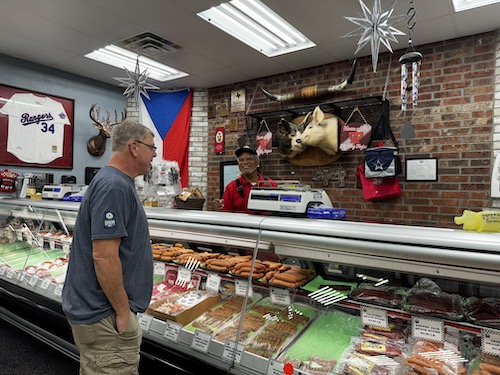

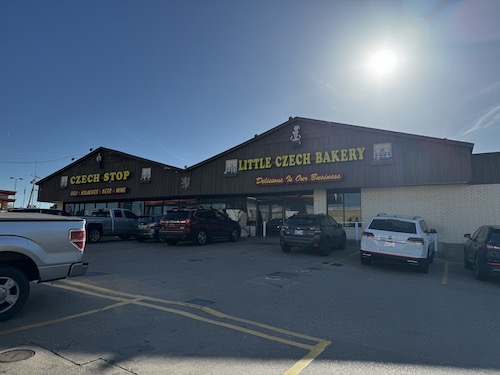
The Czech Stop/Little Czech Bakery (105 N. College St.) is more of a convenience-store size facility across the freeway on the east side.
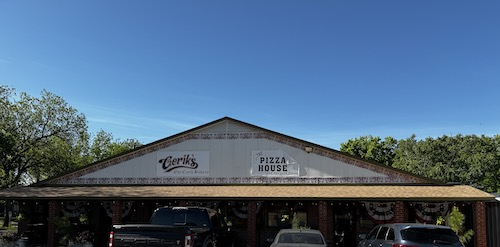
Gerick’s Ole’ Czech Bakery is around the corner, northeast of the Czech Stop. It is a bakery and pizza shop and has a small bar.
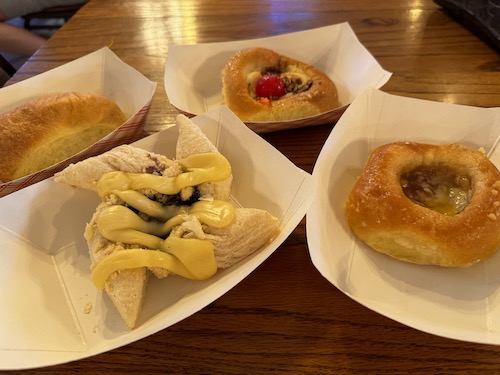
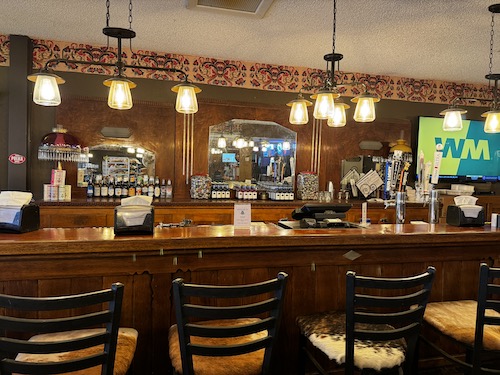
Across the street from Gericks is the Old Oak Bakery (511 W Oak St.)
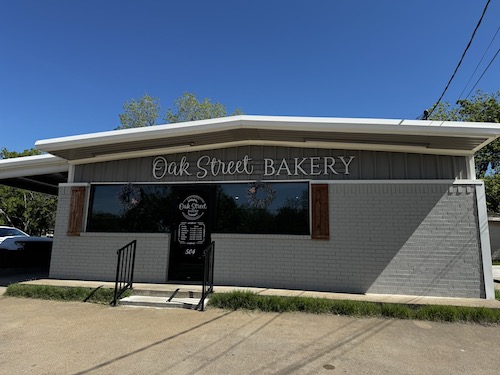
With all the bakeries in town, you will surely find whatever your sweet tooth desires.
Which has the best kolaches or klobasnikies? You’ll have to decide for yourself. Get something from each bakery and have your own personal taste test!
But don’t just stop at the freeway, venture just a few blocks further east into the tiny town and learn a little more about the history and culture of the area at the History of West Museum (112 E Oak St.). A fairly new museum as it goes, less than ten years old, it feels like it’s been around much longer. The displays are very well done.
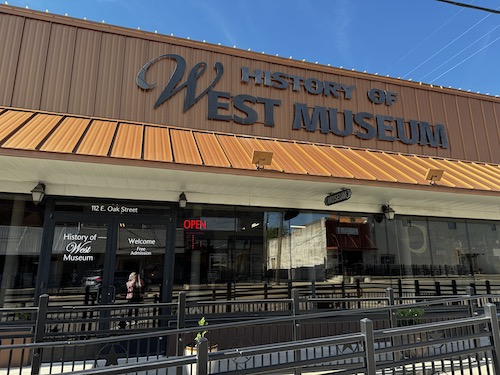
As soon as we walked in, we were greeted by two sweet, knowledgeable volunteers, Nancy and Pat. They were able to tell us a lot about the museum, its history, and town events.
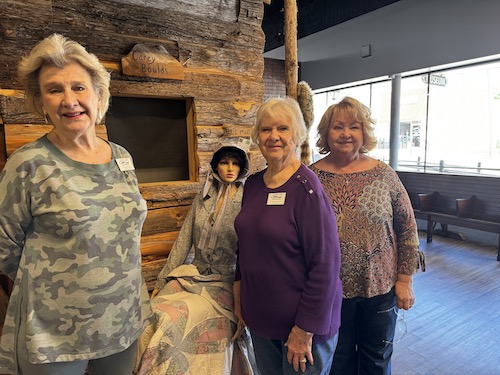
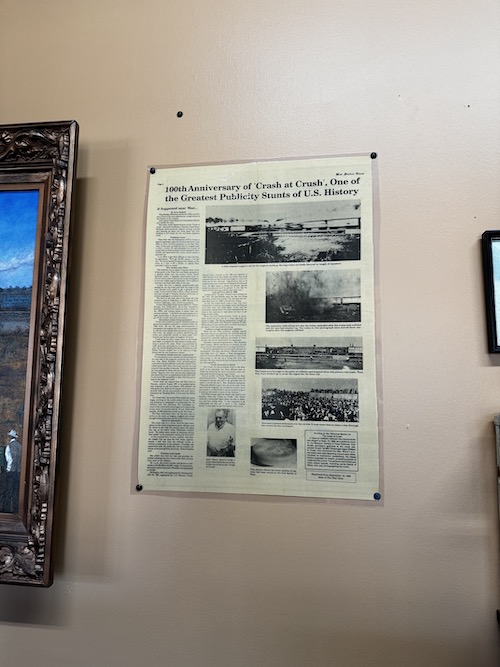
They were working on a window display in a room with an exhibit that we were specifically looking for – the incident known as “The Crash at Crush.” This was a PR stunt that went terribly wrong back in 1896 when two locomotives were crashed head-on for entertainment. Unfortunately, three people were killed. This tragedy took place just south of the town. Today there is no evidence of the event, and outside of West, few locals even know about it. However, it can be seen on the Travel Channel’s Mysteries at the Museum, Season 3, Episode 6.

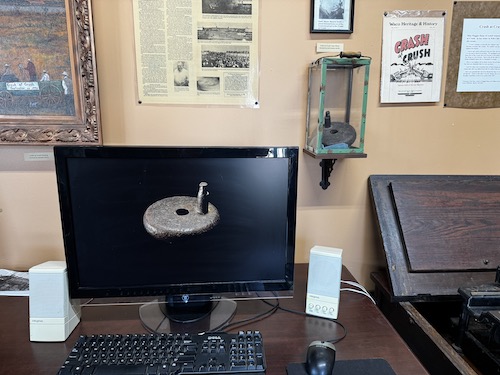
Moving on back into the museum are the displays of Czech culture and the history of West.
Beautiful period clothing, simple but exquisite wedding gowns, colorful traditional Czech celebratory costumes, and everyday household artifacts from the early settlers are also on display.

But the most heartbreaking is the room that is a tribute to the first responders and townspeople killed on April 17, 2013, when the local fertilizer plant exploded.
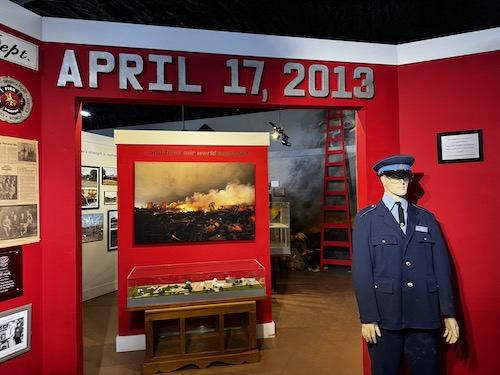

Twelve first responders and three townspeople died when two explosions destroyed the business, homes, schools, and retirement centers. Thirty-seven blocks of the town were damaged. You can read stories of the strength and support as people came from far and near to help the damaged town.
With a population of just over 2,500, the tiny town of West, Texas has a big influence on the area. There’s a nice hotel right off the freeway to stop for a spell and explore the area, but if you don’t have time for that, make sure you make a quick stop, grab some treats, and learn more about the fascinating – sometimes tragic – history of “The Comma.”




Leave a reply to Winter Texans Enroute Cancel reply