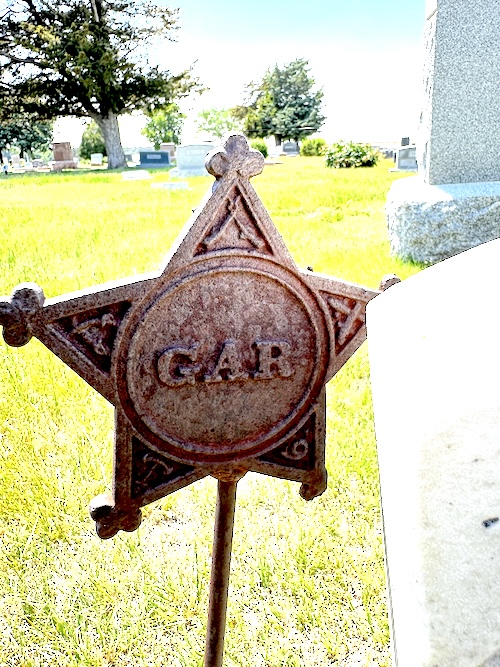
Have you ever noticed the initials G.A.R. on monuments or signs? Have you ever thought about what those initials stand for?
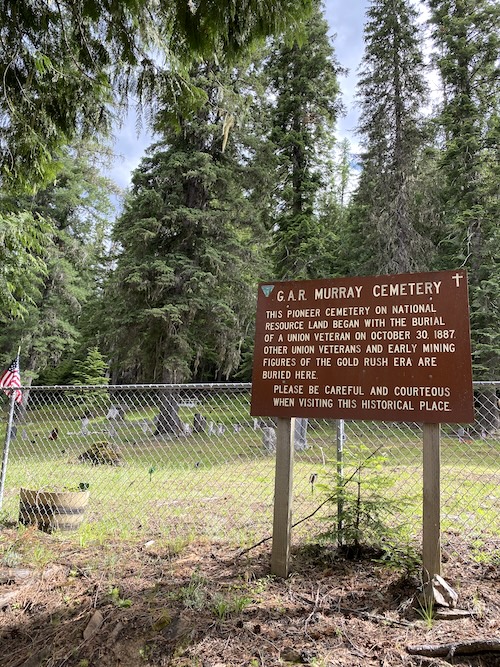
I had seen the initials several times across the country, and I have to admit, I never gave them much thought.
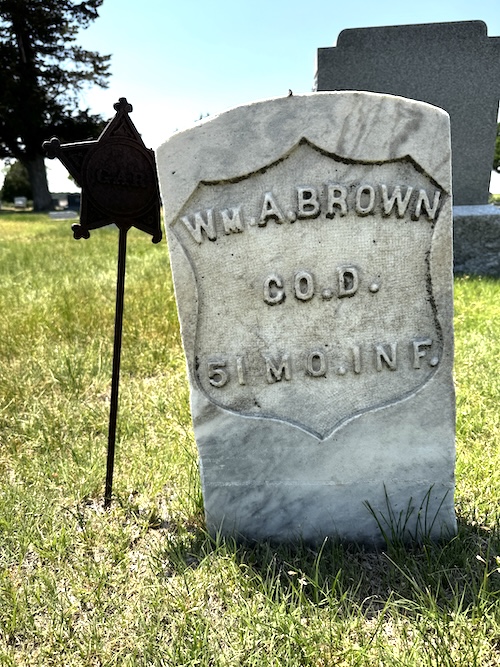
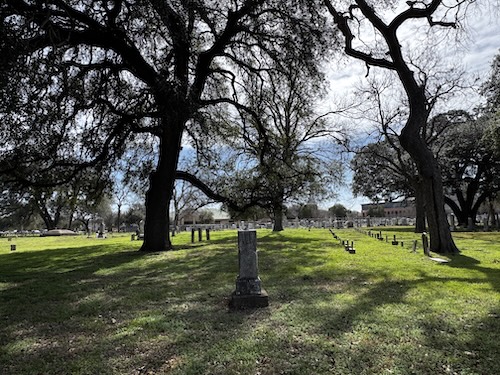
Then, when we were on a trip last year and visiting family gravesites (see our article “Heritage Traveling Through Generations of Headstones”), I saw a star with G.A.R. on it next to my great-great-great-grandfather’s headstone. William Alexander Brown was a Union Army Civil War Veteran. I still had no clue what that meant, but now that it linked to me, I was curious.

A few days later when we were in Grand Island, Nebraska, David took some pictures by the Hall County Courthouse, and there on a monument we saw G.A.R. again.
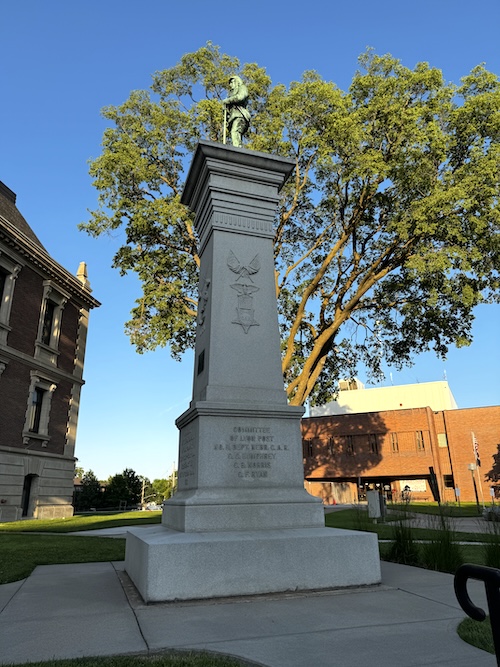
of Lyon Post
No. 11, Dept. Nebr. G.A.R.
C.C. Humphrey
C.B. Norris, C.F. Ryan
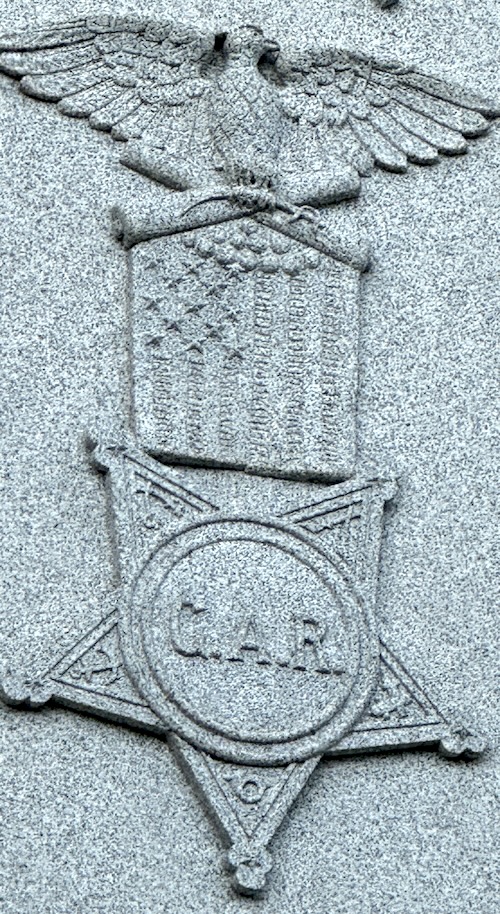
I knew I finally needed to find out more. This is what I learned:
Those initials are a reminder of the past. Of the time our nation was split in two. A reminder of the men who fought in the Civil War on the Union side.
G.A.R. stands for the Grand Army of the Republic. The organization began in 1866 in Decatur, Illinois, to represent Union Civil War Veterans. A surgeon named Benjamin Franklin Stephenson came up with the idea. The first group (called a “post”) began with 12 members, and interest quickly spread. By July, there were 39 posts in Illinois, and by November there were posts in ten states as well as Washington DC.
By 1890, there were over 400,000 members and over 7,000 posts. The goals of the organization were “fraternity, charity, and loyalty.”
Through “fraternity” there was friendship, camaraderie, and the sharing of war stories.
But they didn’t just stop with sitting around, drinking coffee, and reminiscing. “Charity” gave purpose, and they began helping veterans and families in need. Service grew beyond just helping with meals or money for expenses; it also included opening soldiers’ homes (in 16 states) and orphanages (in seven states).
The third goal of “loyalty” led to the creation of monuments and the preservation of Civil War sites and historic information.
The greatest impact the organization had though, is what we now know as “Memorial Day.” Originally beginning as “Decoration Day,” it was inspired by the practice of women in southern states who put flowers on the graves of Confederate soldiers. Today it is a day to show honor and respect for fallen veterans everywhere.
The national G.A.R. office closed back in 1956, but its collection of journals was donated to the Library of Congress and can be accessed for research.
Wikipedia has a list of memorials to the G.A.R. We don’t verify the accuracy of this information (for instance, it’s missing the cemetery in Murray, Idaho), but we just want to let you know it is one source for some possible information for sites near you.
So, whenever you see the simple letters of “G.A.R.” on a monument or gravesite now, you’ll know that it was a nationwide effort for Union Civil War veterans to gather, remember, and serve after the country they fought for was once again reunited.


Leave a comment